
Wildlife & Plants
Shorebirds moving through on migration, bald eagles working the headland, and the plant life, from marram grass to bayberry, that holds the shoreline and the forest above it together. All of it is documented here, not guessed at.
Shorebirds
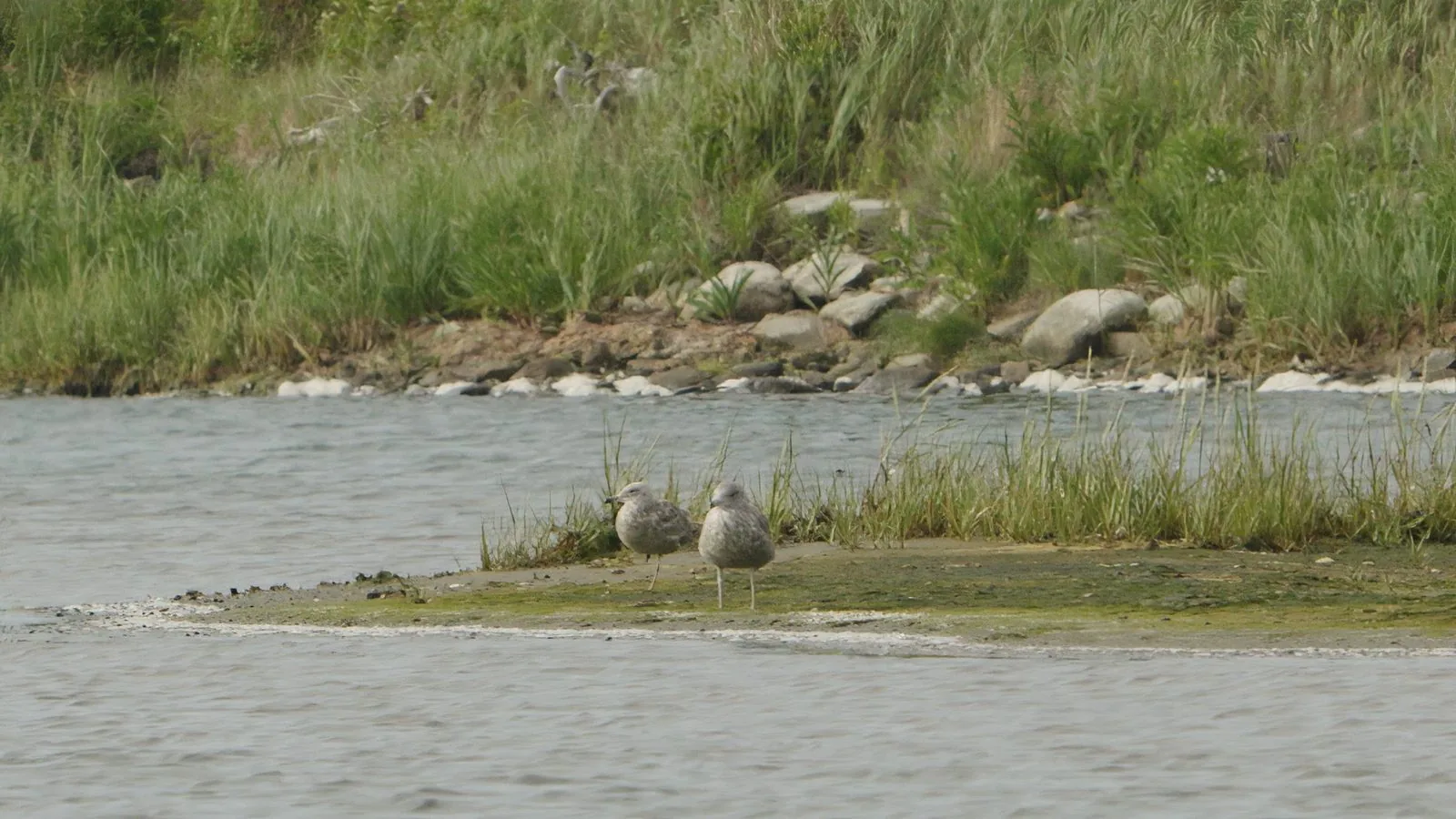
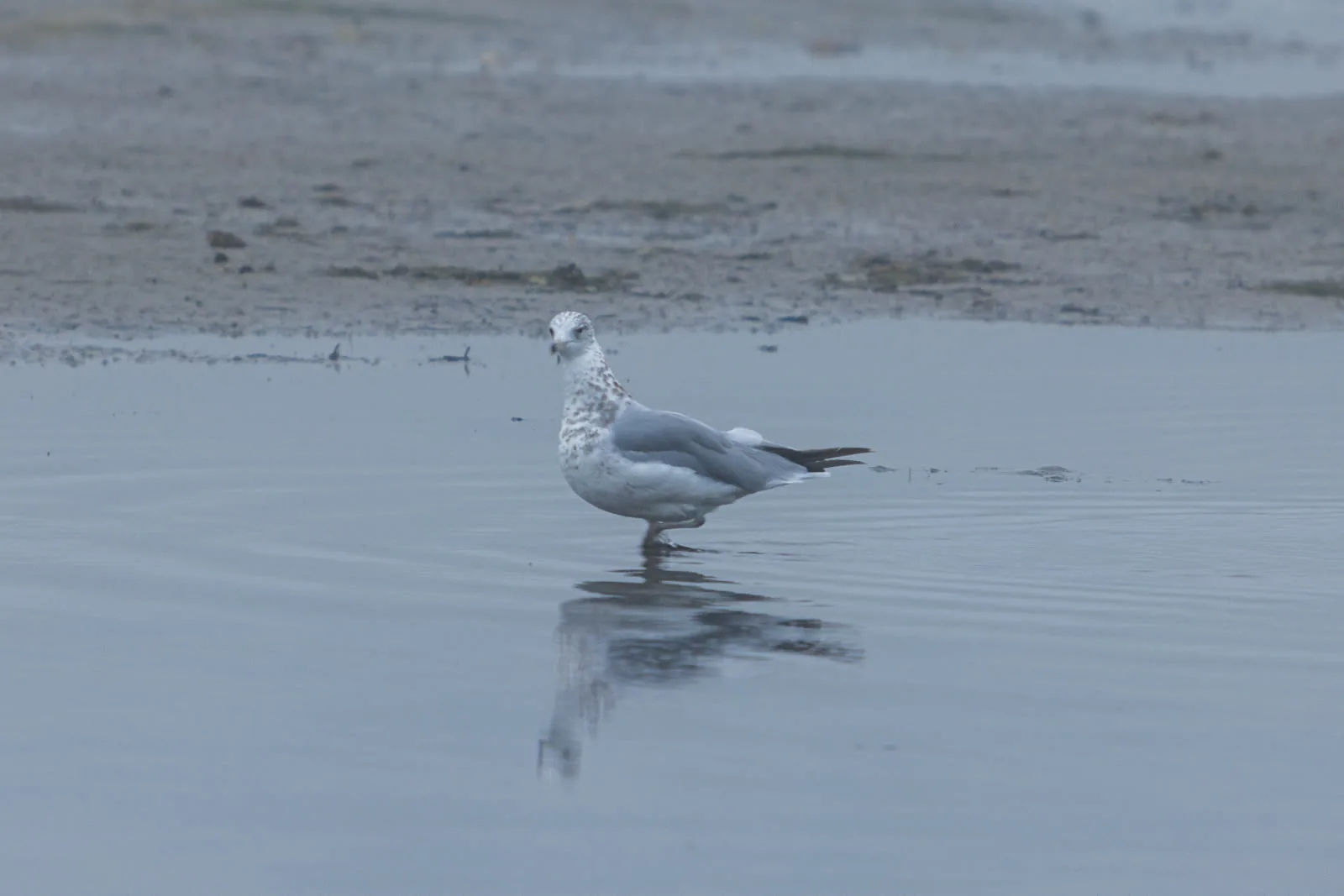
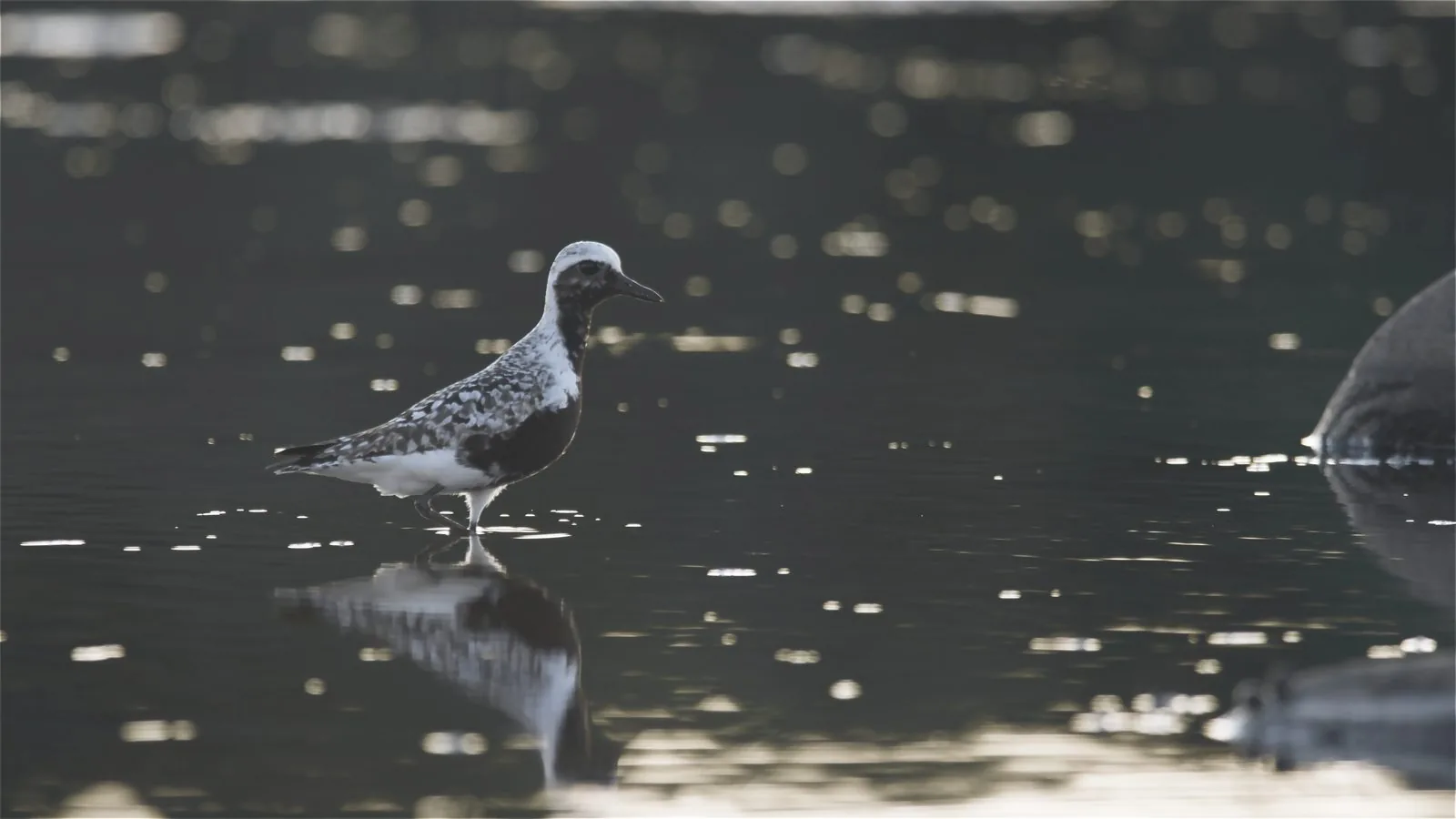
Silver Sands sits inside a documented eBird hotspot with 164 species recorded since 2005 across more than 370 checklists, most of it shorebirds working the ground between the lagoon and the open shore. To protect nesting activity, we don't publish specific locations. During nesting season, keep a respectful distance from any bird showing agitation and stay off vegetated dune areas entirely.
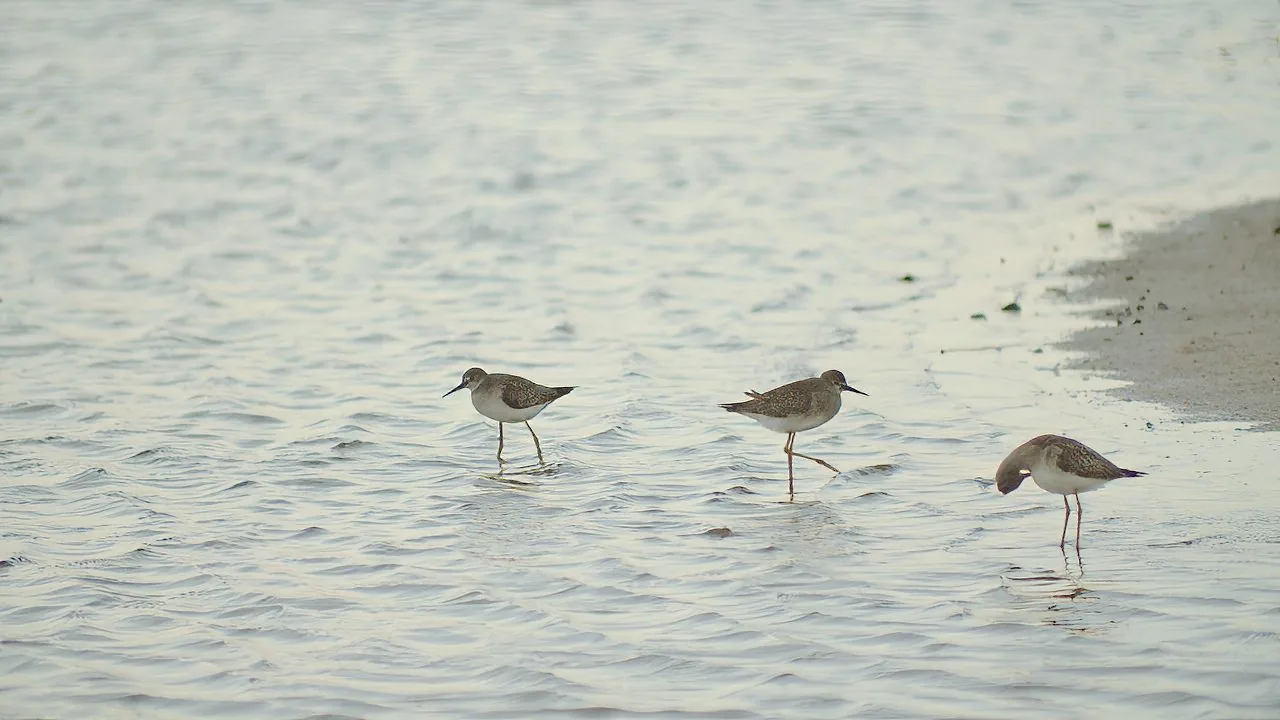
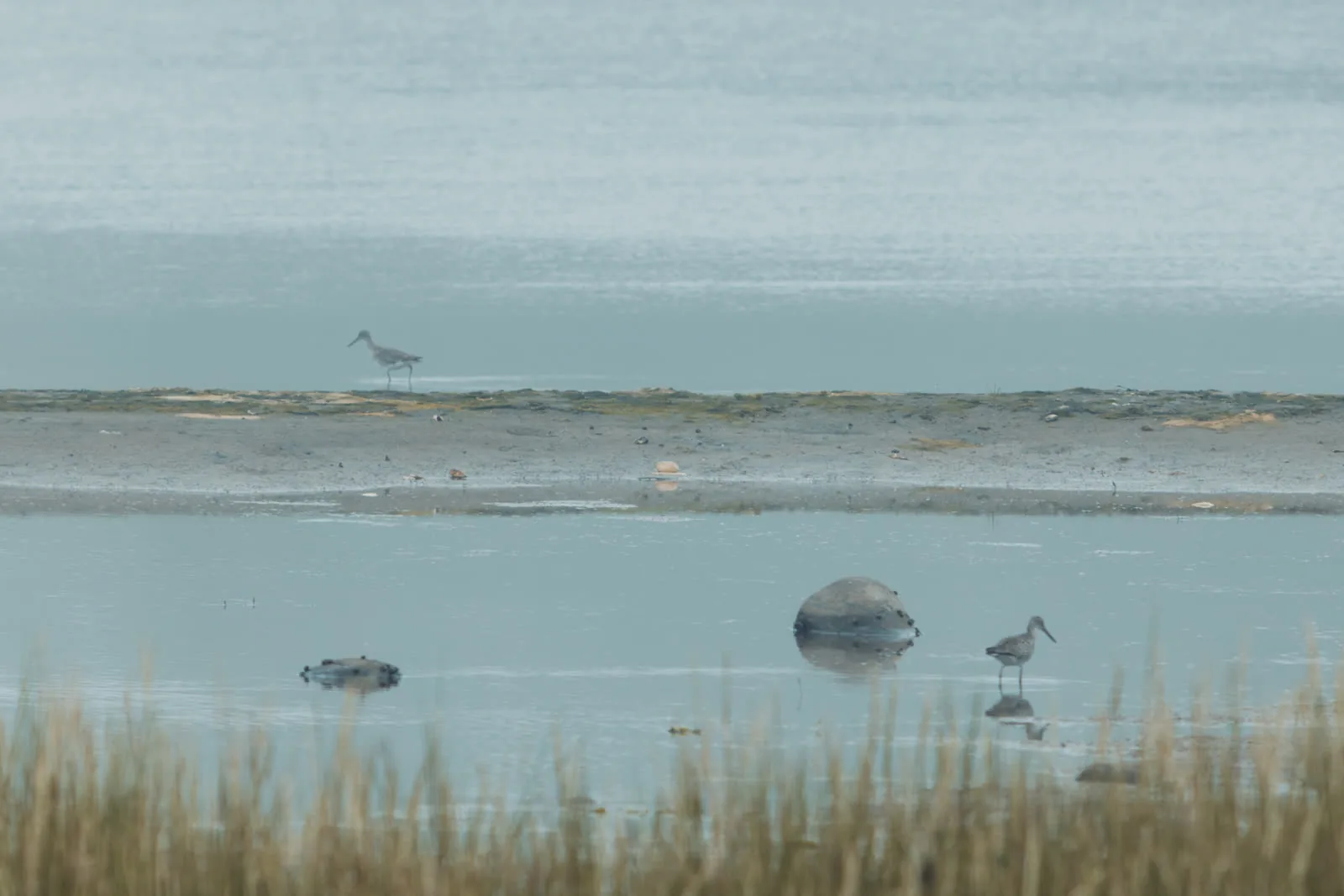
Late summer into fall is peak shorebird passage here, mostly juveniles moving through rather than adults defending a nest, which is part of why they're comfortable feeding close to people. Yellowlegs are one of the most reliable sightings, working the shallow water at the lagoon's edge; the bright yellow-orange legs are the field mark, and voice settles which species it is when bill length is hard to judge (a Lesser Yellowlegs gives one or two flat notes, a Greater gives a longer ringing series).
Small sandpipers and plovers move through the same window, and they're easy to tell apart at a glance. Plovers are stubby-billed, big-eyed, and move in a run-stop-peck pattern; sandpipers are longer-billed and longer-legged, walking steadily as they probe the sand. A Semipalmated Sandpiper weighs about 30 grams, roughly four Canadian toonies, and some individuals nearly double that before a nonstop migratory flight of more than 3,000 km to South America.
Coastal plants
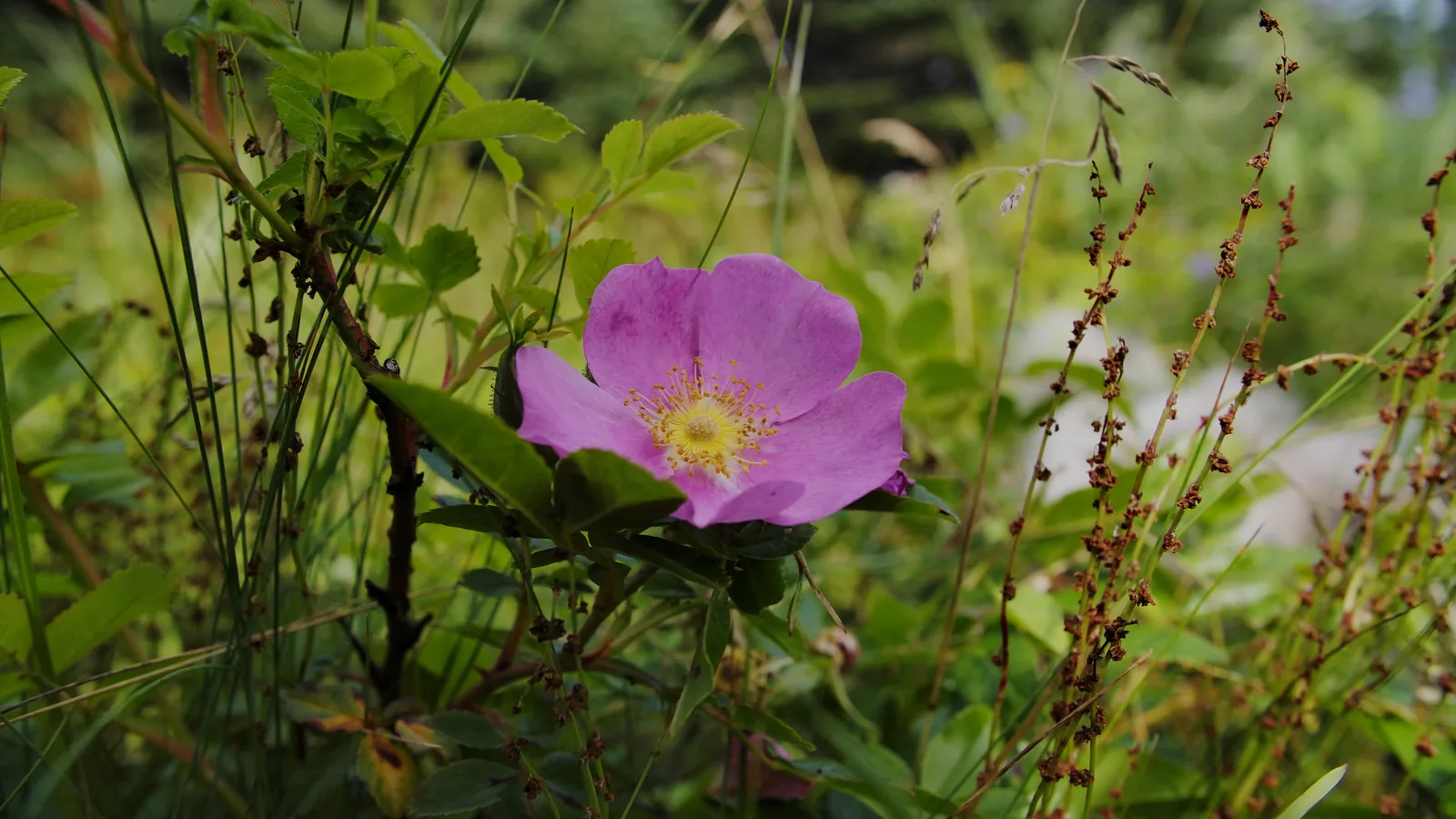
The forest above the shore transitions into coastal scrub and dune grasses closer to the water, and each layer of that transition is doing structural work, not just filling in the view.
Beach pea grows lower, closer to the wrack line, and does different work. Its root system helps anchor loose sand, and nodules on those roots host nitrogen-fixing bacteria, which is what lets the plant survive in soil this poor while slowly enriching it for whatever grows in after it. A 2024 University of New Brunswick study found roughly 30 different bacterial species living in beach pea roots on Atlantic Canada dunes.
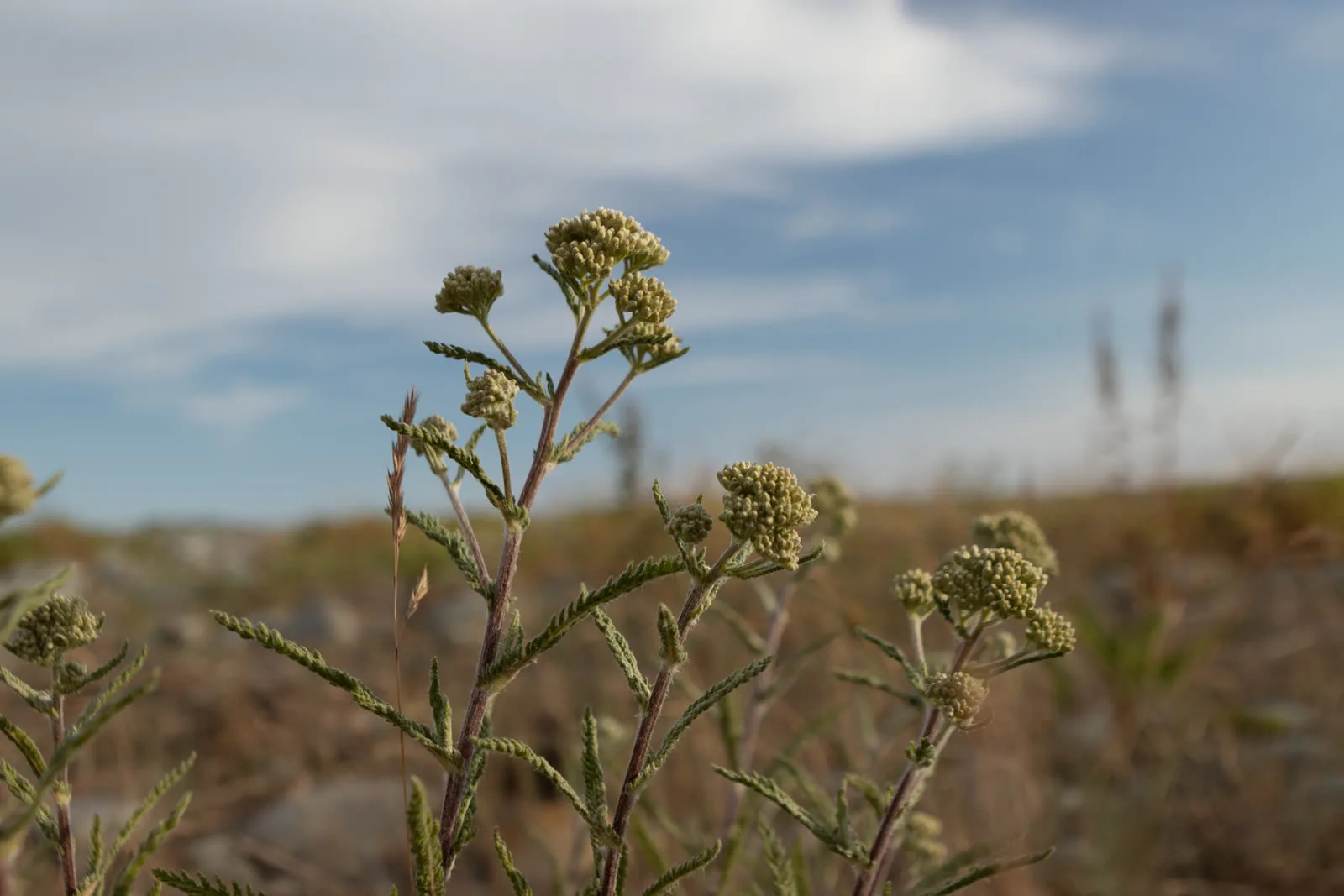
Bayberry in the scrub layer feeds more than it looks like it should. Its waxy berries carry a coating most songbirds can't digest, but Yellow-rumped Warblers can, which is one reason that species winters farther north than almost any other warbler. It's a small example of how the plant life and the bird life on this shore are the same story told twice.
Staying on marked trails protects all of it. A single set of footprints through dune grass can kill the plant and open a gap the wind turns into a blowout within a season.


See what people are finding here
You don't have to guess what's around before you come. Silver Sands sits inside two public citizen-science databases, both free to browse and free to contribute to: eBird, run by the Cornell Lab of Ornithology, and iNaturalist, which covers everything beyond birds, plants included.
The eBird hotspot covering this beach has 164 species recorded across more than 370 checklists submitted by local birders since 2005, and it's still active, with new checklists added most weeks. Between the two platforms you can check what has actually been recorded here, and in which month, before you pack your binoculars or your camera, rather than working from a generic list of Nova Scotia shorebirds.
If you log your own sightings, they don't just sit in an app. They become part of the same public record that researchers and conservation groups pull from to track how this stretch of coast is changing year over year, which makes a five-minute walk with a phone camera genuinely useful data, not just a nice photo.
Ready to visit? plan the walk down to the shore.
Getting Here