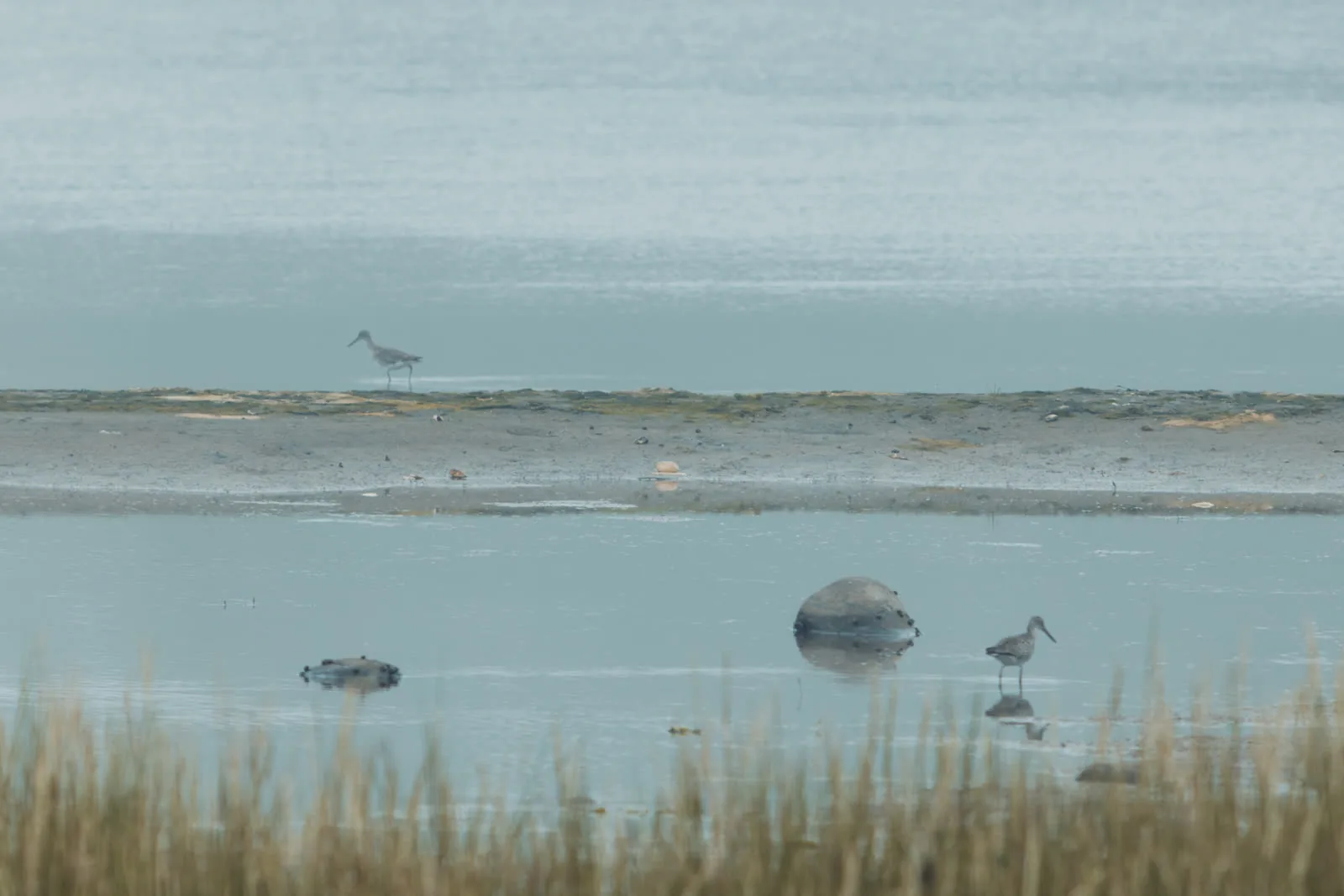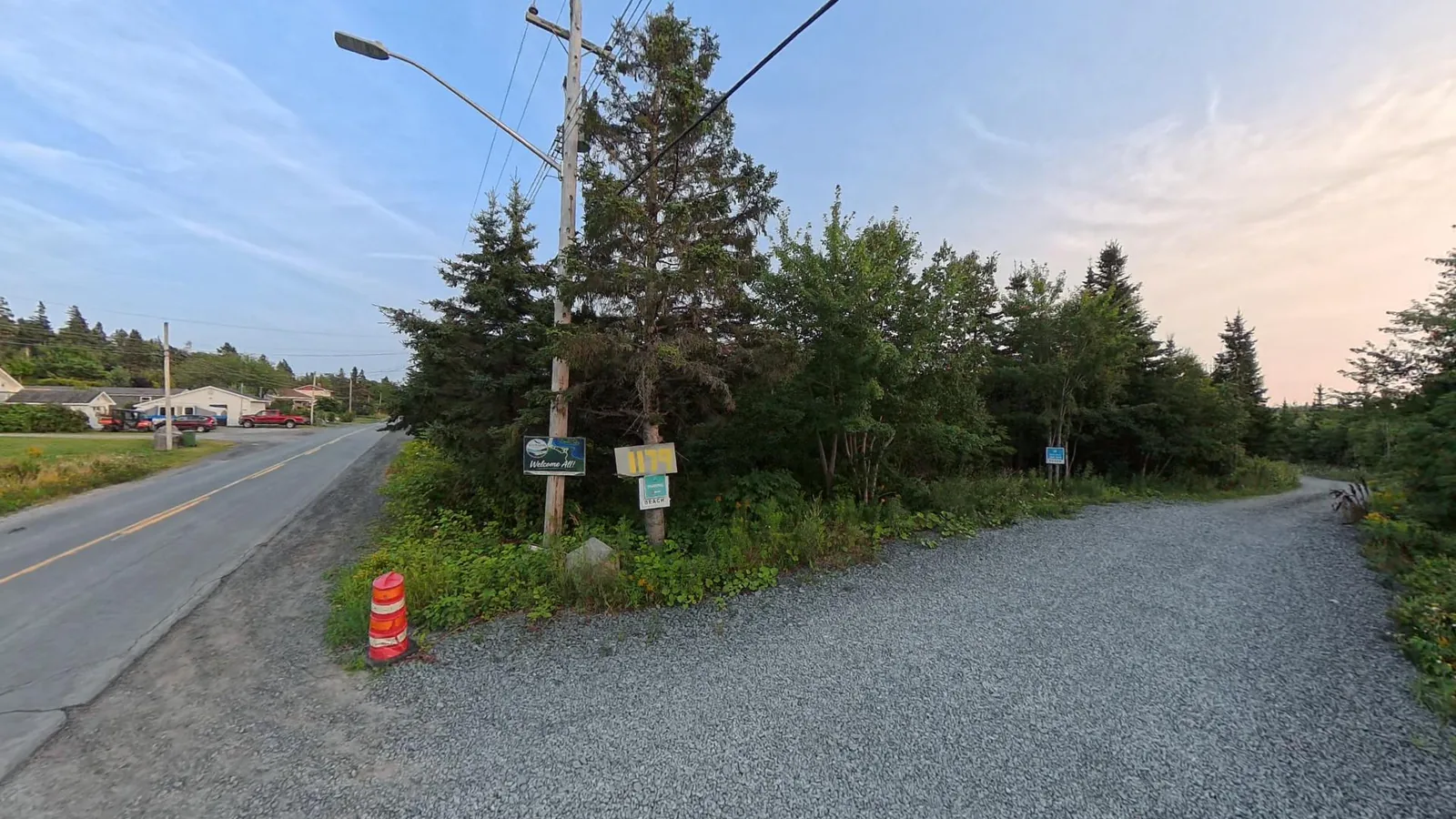
Surfing at Silver Sands Beach and Park in Cow Bay
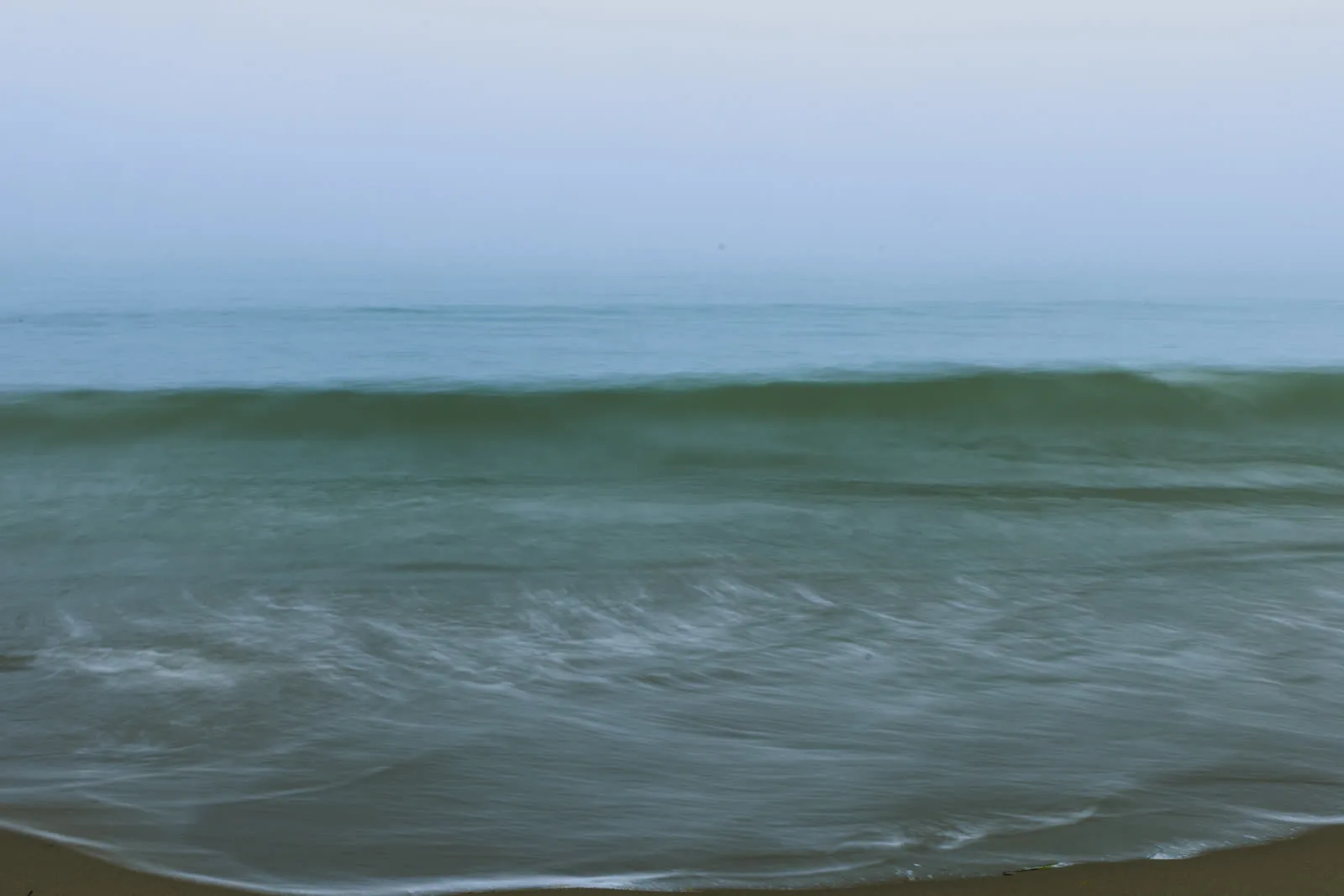
You can surf at Silver Sands Beach and Park, at 1179 Cow Bay Road in Cow Bay, Nova Scotia. The shore faces the open Atlantic and catches swell over a rock and cobble bottom. It suits surfers who know how to read a break, and beginners should come with an experienced surfer. There is no lifeguard on duty at any time of year.
A small local crew surfs here. This post covers what the break is like, how the surf changes through the year, and what to sort out before you paddle out.
What is the break at Silver Sands like?
| Detail | At Silver Sands |
|---|---|
| Bottom | Rock and cobble |
| Entry | Over stone, so reef boots help |
| Lifeguard | None, at any time of year |
| Suited to | Experienced surfers, or beginners with one |
| Parking | Lower lot, about 150 m from the shoreline |
The shore is largely cobble and smaller pebbles, with some sand. Less of the sand is exposed at high tide, and conditions change with both the tide and the swell direction.
Can beginners surf at Silver Sands?
Yes, if you go with an experienced surfer. The bottom is rock and cobble, you get in and out over stone, and nobody is on duty, so it helps to have someone with you who knows the break. A lesson first is a good idea too. Discover Halifax lists several surf schools in the area, and summer's smaller waves are the friendliest time to start.
Where do the waves come from?
From storms you will never see. Wind blowing over open ocean pushes the water into swell, and swell carries its energy a very long way. Researchers have tracked a single storm's swell crossing thousands of kilometres of ocean.
Swell is different from the choppy waves a local wind makes. The peaks are spaced further apart, and the waves arrive in cleaner, more even sets. Distance helps the shape, too. "The further away the storm is, the better the shape and quality of the waves," Lawrencetown surf instructor Nico Manos told CBC News.
When is the best time of year to surf here?
Fall is usually best, but there is surf in every season.
Spring: The water is at its coldest after winter, and swell still arrives from late-season storms. A thick wetsuit, boots, gloves and a hood are the norm.
Summer: Waves are usually smaller and the water is at its warmest. This is the gentlest time of year, though the bottom is still rock and cobble.
Fall: Atlantic hurricane season runs from June 1 to November 30, and August and September have the most storms, according to Environment and Climate Change Canada. Most stay far out at sea and send swell to this coast. The Atlantic is also slow to cool, so early fall water is often milder than people expect.
Winter: Winter storms bring powerful swell, along with cold water and cold air. It is for experienced surfers with full winter gear only.

How should I prepare before I paddle out?
- Check the forecast and the tide. The Surf page shows a forecast, but a forecast is not the water in front of you.
- Watch it before you go in. Spend a few minutes reading the sets from the shore.
- Don't surf alone if you can help it. Nobody is on duty here.
- Wear reef boots. You get in and out over stone rather than sand.
- Know your limits. A big swell is not the day to test them.
Can I watch the surf without going in?
Yes. Big swell is worth seeing from the shore, and it makes good photography. On big days, stay well back from the water's edge, because waves can reach further up the cobble than you expect.
Frequently asked questions
Can you surf at Silver Sands Beach in Cow Bay?
Yes. Silver Sands, at 1179 Cow Bay Road in Cow Bay, Nova Scotia, catches open Atlantic swell over a rock and cobble bottom. It suits surfers who already know how to read a break, and there is no lifeguard on duty at any time of year.
Can beginners surf at Silver Sands?
Yes, with an experienced surfer. The bottom is rock and cobble, you get in and out over stone, and there is no lifeguard, so beginners should come with someone who knows the break. Summer, when the waves are smaller, is the best time to start.
When is the best time to surf near Halifax?
Fall usually brings the most consistent swell. Atlantic hurricane season runs from June 1 to November 30, with the most storms in August and September, and those storms send swell to Nova Scotia's coast from far offshore.
Do I need a wetsuit to surf at Silver Sands?
Yes, for most of the year. Summer is the warmest time, but from fall through spring a full-length wetsuit is the norm, with boots, gloves and a hood added as the water cools.
Where do I park to surf at Silver Sands?
Use the lower parking lot at the 1179 Cow Bay Road entrance. The shoreline is about 150 metres away over a mostly flat route. Full directions are on the Getting Here page.
Does it cost anything to visit?
Silver Sands Beach and Park is privately owned and open to the public to access Silver Sands Beach. There is no admission fee and no booking.
Is there a lifeguard at Silver Sands?
No. There is no lifeguard on duty at Silver Sands at any time of year.
Ready to go? Check the swell, pack your reef boots, and set your map to 1179 Cow Bay Road. The turn, the parking and the walk down are on Getting Here.